Biohazard Cleanup
Blood, sewage, sharps and other biohazards removed and disinfected by cleanup crews in protective gear.
Learn more →Iowa · Guthrie County
Dealing with a death, a crime scene or a sewage backup in Panora, IA? Get the biohazard cleaning done, from blood and bodily fluid removal to odor treatment and full disinfection. Call (877) 812-4220 at any hour.
If anyone is in danger, call 911 first. For a suicide crisis, call or text 988.
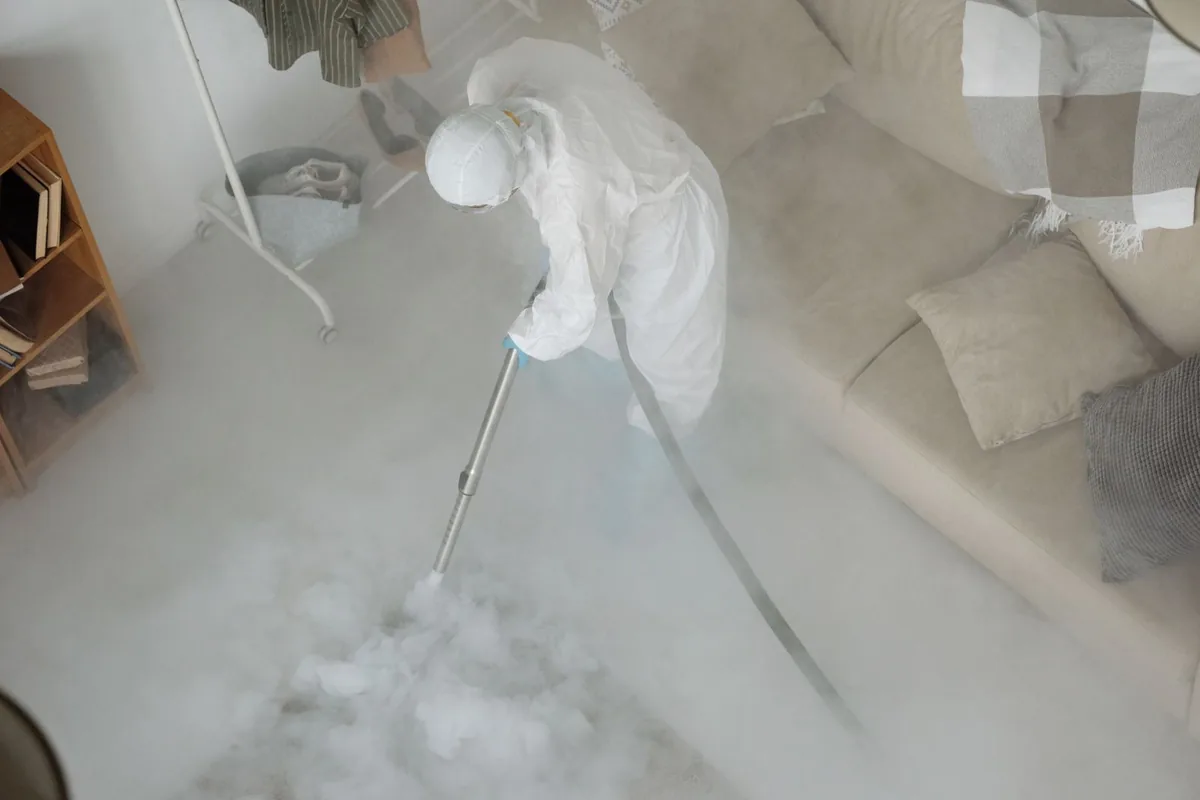
Biohazard cleanup is the professional removal, cleaning and disinfection of blood, bodily fluids, decomposition, sewage and other infectious materials after a death, crime, accident or illness. In Panora, you can get this local biohazard cleaning for homes, apartments, rental properties, churches, businesses and vehicles.
Biohazard cleaners provide emergency response 24/7 in unmarked vehicles. Cleanup technicians contain the affected areas, remove contaminated and hazardous materials, disinfect every surface and haul the biohazardous waste away. Crews serve Panora, Guthrie Center, Guthrie Center and the rest of Guthrie County.
Fewer older adults in Panora live alone than the Iowa average, at 18%. Even so, unattended deaths happen in every community, and the cleanup steps are the same. About 16% of homes in Guthrie County are rented, so many cleanups involve owners working directly with their own homeowners insurance company.
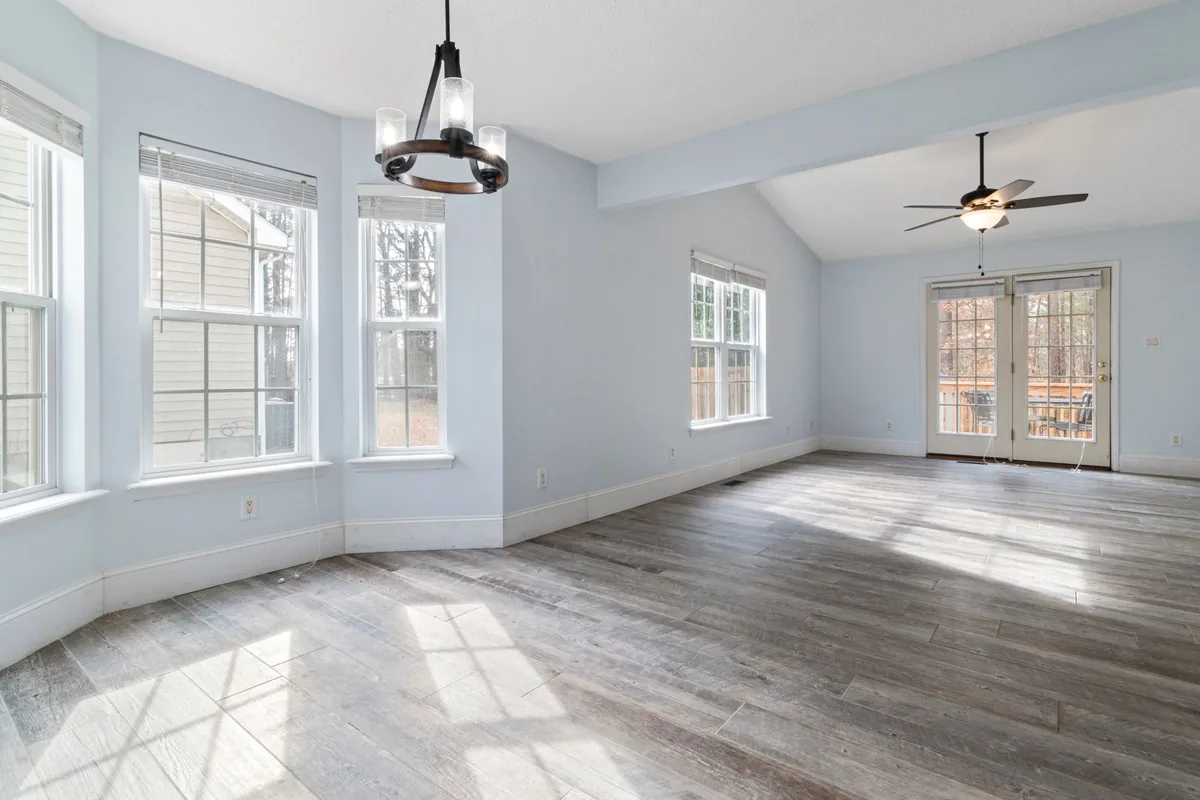
Blood and bodily fluids can carry bloodborne pathogens, even after they dry. That is why biohazard cleaners follow OSHA's Bloodborne Pathogens Standard, 29 CFR 1910.1030, and put on gloves, respirators, boot covers and disposable suits before they enter the affected area.
Odor is treated at its source, not covered up. HEPA filtration, hydroxyl generators and ozone treatment work on the air and on the surfaces, and ATP testing can show whether the cleaned area meets the standard before the property is released.
Choose the situation that fits and get help with any biohazard cleaning service below, for homes, rentals, offices and vehicles in Panora.
Blood, sewage, sharps and other biohazards removed and disinfected by cleanup crews in protective gear.
Learn more →Crime scene cleaners handle contaminated carpet, drywall and debris, then check the work before handing the space back.
Learn more →Trauma cleaners remove blood, bodily fluids and odor after injuries, violent events and sudden emergencies.
Learn more →Cleaning, disinfection and odor removal after a death that was not found right away.
Learn more →Suicide scene cleanup for homes, apartments and vehicles, handled quietly and with care.
Learn more →Respectful homicide cleaning that removes blood, bodily fluids and odor after investigators release the scene.
Learn more →Blood spill clean up for homes, rentals and workplaces, with soaked materials removed and surfaces sanitized.
Learn more →Soaked carpet, mattresses and furniture removed, and affected surfaces sanitized after a fluid release.
Learn more →Waste cleanup after neglect, illness or a long absence, handled privately and without judgment.
Learn more →Odor control for landlords, buyers and families whose property still smells after a loss.
Learn more →Room-by-room help for families, landlords and residents dealing with a hoarded home.
Learn more →Hoarding removal with protective gear, safe lifting and correct disposal of waste.
Learn more →Crews clear waste, ruined materials and pests, then disinfect and deodorize each room.
Learn more →Crews haul away trash and soiled items, then deep clean and sanitize the home.
Learn more →Category 3 cleanup with protective gear, sealed disposal and EPA-registered disinfectants.
Learn more →Infectious disease disinfection for homes and businesses, using EPA-registered products matched to the germ.
Learn more →Cleaning first, disinfecting second: a careful process that targets the germs, not only the stain.
Learn more →Local biohazard disposal services, from one sharps container to rooms of contaminated medical supplies.
Learn more →Used needle removal and property sweeps for yards, rentals, vacant buildings and businesses.
Learn more →Discreet drug residue cleanup for rentals, homes, hotels and businesses, with protective gear throughout.
Learn more →Meth house cleaning for owners, landlords and buyers, including vents, walls, floors and soft materials.
Learn more →Found unknown powder? A cleanup team contains the area, cleans surfaces and hauls waste safely.
Learn more →Chemical spill cleanup with containment, decontamination and records for insurers, buyers and inspectors.
Learn more →Hazardous materials contained, removed and hauled away after spills, leaks and accidents.
Learn more →Pepper spray cleanup that lifts oily residue from surfaces without spreading it to clean rooms.
Learn more →Rodent infestation cleanup after pest control, with odor removal and sanitizing of the affected area.
Learn more →Pigeon and bird droppings cleanup on ledges, balconies, warehouses and storefronts.
Learn more →Carcass cleanup of fluids and soaked insulation, carpet and drywall that cannot be saved.
Learn more →Biohazard car detailing after an accident, a crime or a medical emergency in or near the cabin.
Learn more →Blood and body fluids removed and disinfected after falls, cuts, crashes and workplace injuries.
Learn more →Discreet after-hours service with unmarked vehicles, sealed work areas and regulated waste hauling.
Learn more →Careful clearing of a home after a death, with biohazard cleanup first when it is needed.
Learn more →A cleanup specialist asks what happened, who is safe and whether police or an investigator have released the scene. The answers decide how the job is planned.
A technician walks the space, notes where fluids reached and lists what can be cleaned and what must be removed. The plan and cost range are explained before work begins.
Porous materials are removed, surfaces are scrubbed and disinfected, and tools are cleaned between steps so germs are not carried to other rooms.
Odor equipment finishes the air, the crew checks the whole area, and the owner is told what was done and what repairs may still be needed.
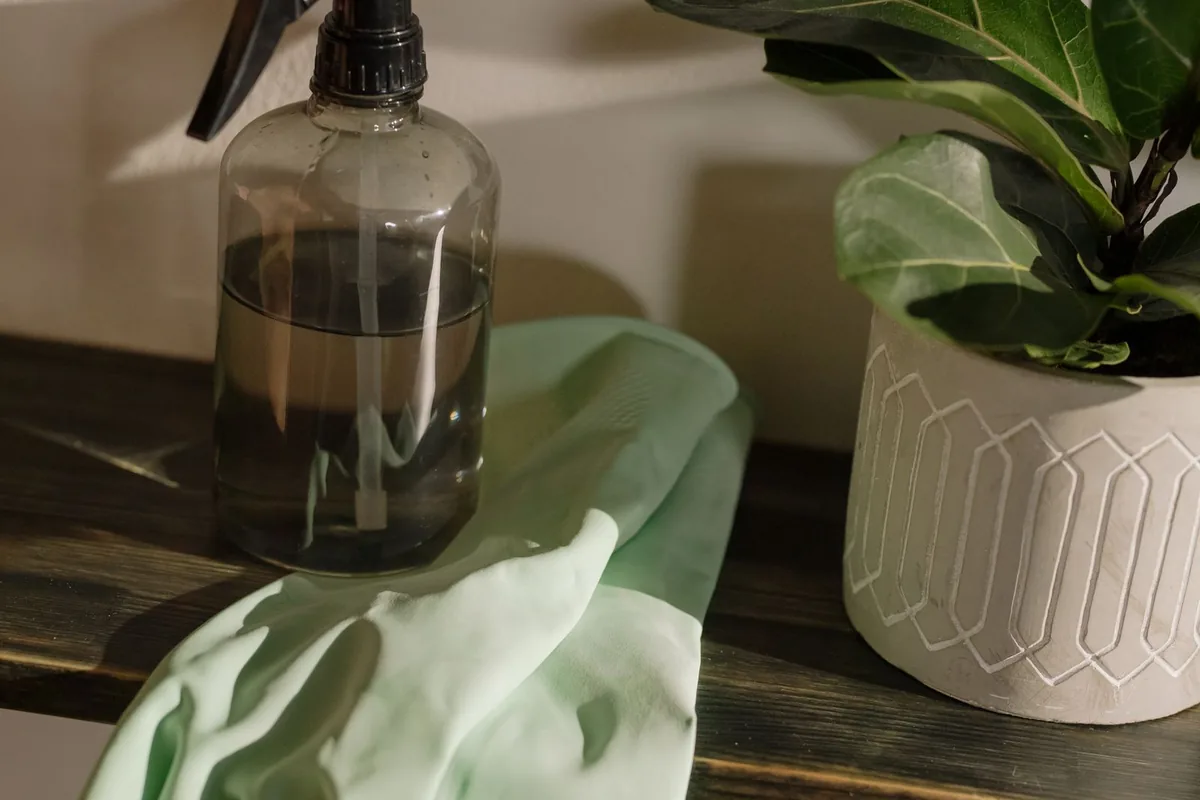
OSHA bloodborne pathogen protocols, full PPE, EPA-registered disinfectants and lawful biohazard waste disposal on every job.
Photos, documents, jewelry and keepsakes are set aside for the family whenever they can be safely saved.
Cleanup technicians know families may be grieving. They keep conversations short, kind and free of judgment, and they treat belongings with care.
Cleanup covers houses, apartments, rentals, offices, churches, shops and cars or trucks, with plans that fit each type of property.
Biohazard cleanup in Panora, IA typically costs $500 to $25,000, depending on the type of biohazard, the size of the affected area and how far fluids soaked into porous materials.
Most residential jobs cost $3,000 to $5,000 (Fixr). Insurance changes who pays but not how the work is done. Homeowners and renters policies often respond to sudden events such as a death, a crime or an accident, and you get the photos and notes an adjuster asks for.
| Type of job | Typical range |
|---|---|
| Blood spill cleanup, small area | $500 - $2,500 |
| Crime scene cleanup, most homes | $1,500 - $7,500 |
| Unattended death cleanup | $2,000 - $7,000 |
| Suicide cleanup | $1,500 - $5,500 |
| Sewage cleanup, most homes | $2,000 - $10,000 |
| Hoarding cleanup, level 3 home | $2,000 - $5,000 |
| Meth lab cleanup, typical | $15,000 - $20,000 |
Estimates only, not a quote. Sources: Fixr, Yelp Costs, BioCleaners Directory, PushLeads, Dropcurb, Bob Vila and cleanup company cost guides. Call (877) 812-4220 to talk through the job.
With renters in about 16% of homes in Guthrie County, landlords and property managers often call about tenant deaths, abandoned units and unsafe conditions that need biohazard cleaning.
Falls, power tool injuries, farm and industrial accidents and car crashes can leave blood and tissue behind. Accident scene cleanup removes the trace so the space can be used again.
With a vacancy rate of 21% in Guthrie County, empty buildings can collect animal waste, drug paraphernalia and storm damage that nobody sees until later.
Attics, barns and sheds can hold droppings, guano and carcasses that carry disease. Careful removal and disinfection protect the people who go back in.
Homes, churches and businesses may need infectious disease disinfection, needle and sharps cleanup, or meth lab and fentanyl decontamination after a property is released.
Hoarder homes can hide rotting food, animal waste, mold and pests, along with fire and structural hazards. Hoarding cleanup sorts belongings and restores a livable condition.
Health risks vary by material. Blood and bodily fluids bring bloodborne pathogens, decomposition brings bacteria and odor, and waste and residue bring their own dangers. Job size then sets the scale of the response.
Usually it is better not to. The affected area is sealed off, odor and chemicals may be present, and the work is easier to do safely with people and pets elsewhere. The crew can say what is safe for your situation.
Funeral homes and the authorities remove the person. Biohazard cleaners, also called crime scene cleaners or trauma cleanup crews, clean the property afterwards, including fluids, affected materials and odor.
Yes, when the source is removed and treated. The crew takes out the contaminated materials, disinfects the surfaces, and uses HEPA air scrubbers and hydroxyl or ozone equipment to clear the air, rather than masking the smell.
Often, yes. Many homeowners and renters insurance policies cover biohazard cleaning after a sudden event such as a death, crime or accident, after the deductible. Hoarding and gradual damage are often excluded. The cleanup work is documented with photos and notes for the insurance company.
Yes. Raw sewage is treated as Category 3 water because it can carry bacteria such as E. coli, viruses and parasites. Porous materials it touches usually must be removed, and the rest is cleaned and disinfected.
Ask whether the crew follows OSHA bloodborne pathogen rules, uses EPA-registered disinfectants, disposes of waste lawfully and can document the work for insurance. Compare how biohazard cleanup companies explain scope, cost range and privacy, and be cautious about anyone who pressures you to sign on the spot.
They can. About 73% of homes in Panora were built before 1980, and older carpet, subfloor and trim absorb fluids deeply. The crew inspects each home to see how far the contamination went.
Yes. Vacant properties, at 21% of housing in Guthrie County, can collect animal waste, drug paraphernalia, sewage and storm damage. Owners should treat what they find as a hazard and call for cleanup instead of clearing it themselves.
Need a local biohazard company in Panora or nearby communities, including Guthrie Center, Stuart and Guthrie Center, the Guthrie County seat? Call Panora Biohazard Cleanup Help at (877) 812-4220 from any of them.
Ask about the steps, the cost range and insurance before anything starts.
Call (877) 812-4220